
The Ultimate Guide to Passing the Canadian Citizenship Test |
Everything you need to know to pass the Canadian Citizenship Test. Learn about the format, study guide, key topics, and the final steps to citizenship. |
Becoming a Canadian citizen is a journey filled with hope, paperwork, and anticipation.
The final step for most applicants is a significant one: the Canadian Citizenship Test.
This exam is more than just a formality; it's a measure of your understanding of Canada's history, values, and systems of government.
It represents the culmination of years of effort and the beginning of a new chapter as a member of the Canadian family.
For applicants between the ages of 18 and 54, passing this test is a mandatory requirement, a rite of passage administered by Immigration, Refugees and Citizenship Canada (IRCC).
Success demonstrates not only your knowledge but your commitment to the rights and responsibilities that come with your new status.
What to Expect from the Canadian Citizenship Test
The test is designed to be a comprehensive assessment of your knowledge of Canada.
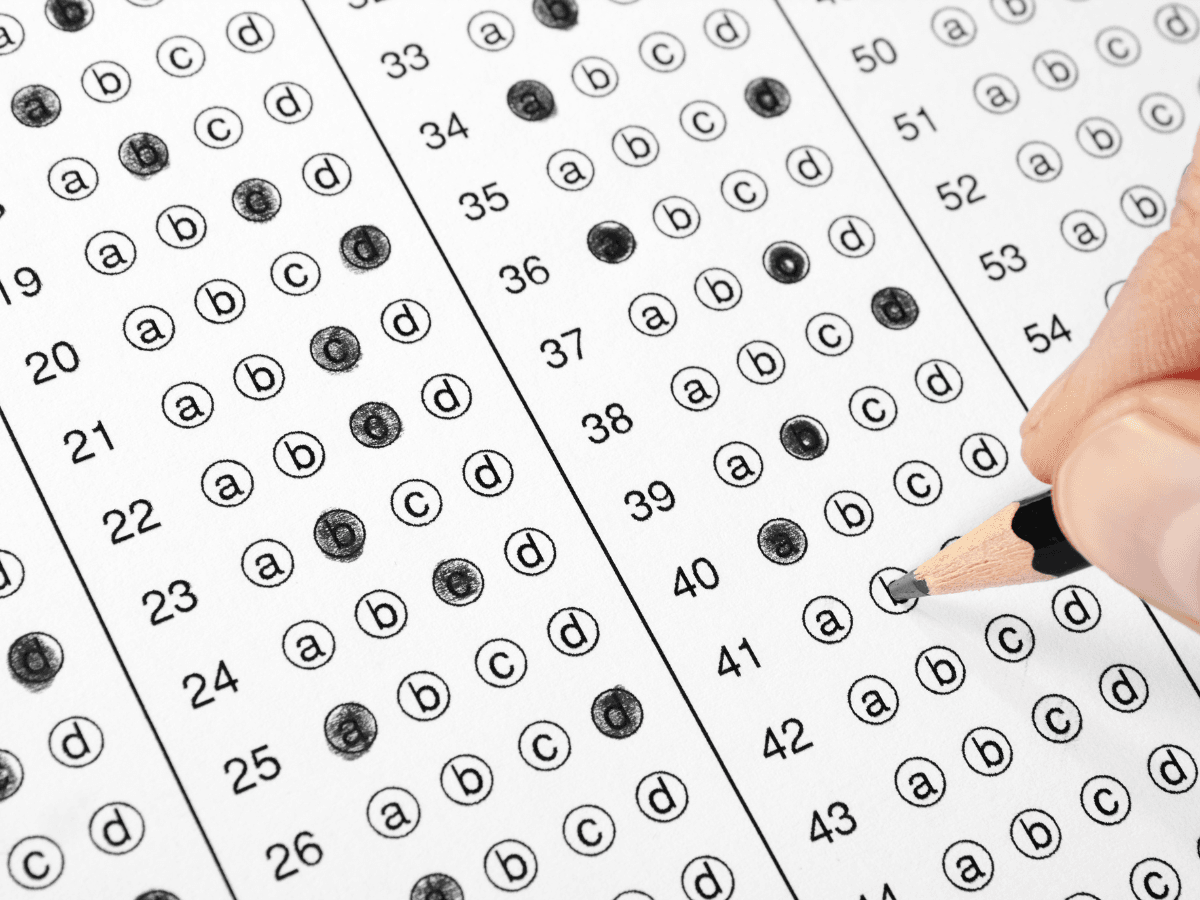
It consists of 20 multiple-choice or true/false questions that you must complete within a specific time frame, typically 45 minutes.
To pass, you must answer at least 15 questions correctly, achieving a score of 75% or higher.
The test is offered in both of Canada’s official languages, English and French, and most applicants now take it online.
This online format offers flexibility, allowing you to take the test from anywhere within a 30-day window, though an in-person option may be arranged if accommodations are needed.
The pressure can feel immense, but remember that the vast majority of applicants succeed, with recent data showing a pass rate of over 90%.
Failing the test is not the end of the road.
Applicants are given up to three opportunities to pass, ensuring that a single bad day doesn't derail your entire citizenship journey.
The Cornerstone of Your Studies: 'Discover Canada'
Your primary, and only official, study resource is the guide provided by the government: Discover Canada: The Rights and Responsibilities of Citizenship.
Every single question on the Canadian Citizenship Test is derived from the content within this guide.
It is available free of charge from IRCC in various formats, including online versions, PDF downloads, ebooks, and even an audio version read by notable Canadians.
It is crucial to use this official guide for your preparation.
While many third-party websites offer practice tests and study materials, relying solely on them is a risk; the government explicitly states that the official guide is the definitive source.
The guide covers a wide range of topics essential for any aspiring citizen.
Key Knowledge Areas Covered in the Test
The content of the test is broad, designed to ensure new citizens have a foundational understanding of their new home.
You will be quizzed on several core subjects.
Rights and Responsibilities of Citizenship: This includes understanding fundamental freedoms, the equality of all people, and the responsibilities that come with citizenship, such as obeying the law and serving on a jury.
Canadian History: Expect questions about the Aboriginal peoples of Canada—including First Nations, Inuit, and Métis—as well as the arrival of European settlers, Confederation, and Canada's role in major world events like the World Wars.
How Canadians Govern Themselves: This section covers Canada's system of government, including its status as a constitutional monarchy, the three branches of government (legislative, executive, and judicial), and the roles of the monarch, Governor General, and Prime Minister.
Canadian Symbols: You’ll need to recognize national symbols like the Canadian flag, the coat of arms, the beaver, and the maple leaf.
Canada's Economy and Geography: A general knowledge of Canada's major industries and its diverse physical geography, including its provinces, territories, and capital cities, is also required.
The scope can seem daunting, but a structured study plan makes it manageable.
Preparing for Success: Tips and Strategies
Passing the test is an achievable goal with the right preparation.
Start by thoroughly reading the Discover Canada study guide from cover to cover.
Don't just memorize facts; strive to understand the concepts behind them.
Take advantage of online practice tests, many of which are offered by public libraries and settlement agencies, to gauge your knowledge and get comfortable with the question format.
Consider joining a citizenship class offered by a local community center or settlement agency.
These classes often provide valuable insights and a structured learning environment.
On test day, whether online or in-person, ensure you are in a quiet, distraction-free environment.
Read each question carefully before selecting an answer.
Staying calm and confident is a key part of the strategy.
After the Test: The Final Steps to Citizenship
Once you successfully pass the test, you are on the final stretch of your journey.
The last step is attending the Canadian citizenship ceremony, which is a profoundly meaningful event.
During the ceremony, you will take the Oath of Citizenship, pledging allegiance to the King of Canada.
This oath is a solemn promise to respect the rights and freedoms of others and to faithfully observe the laws of Canada.
The ceremony, which can be held virtually or in person, often includes a citizenship judge and other dignitaries.
It is a moment of celebration, where you and fellow new citizens will sing the national anthem, "O Canada," and receive your Certificate of Canadian Citizenship.
This certificate is your official proof of citizenship, a document that opens the door to a new life with the right to vote, hold a Canadian passport, and run for political office.
It is a powerful symbol of belonging and the successful completion of a long and challenging process.
Welcome to the Canadian family.
FAQ: Common Questions About the Citizenship Test
What is the passing score for the Canadian Citizenship Test?
What happens if I fail the Canadian Citizenship Test?
Who is required to take the Canadian Citizenship Test? |
0 Comments
Join the conversation
Be the first to comment
Share your thoughts above.