
The Oath of Citizenship in Canada: More Than Just Words, It's a Pledge to a Nation |
Explore the full meaning, history, and emotional significance of the Oath of Citizenship Canada, the final, profound step to becoming a Canadian citizen. |
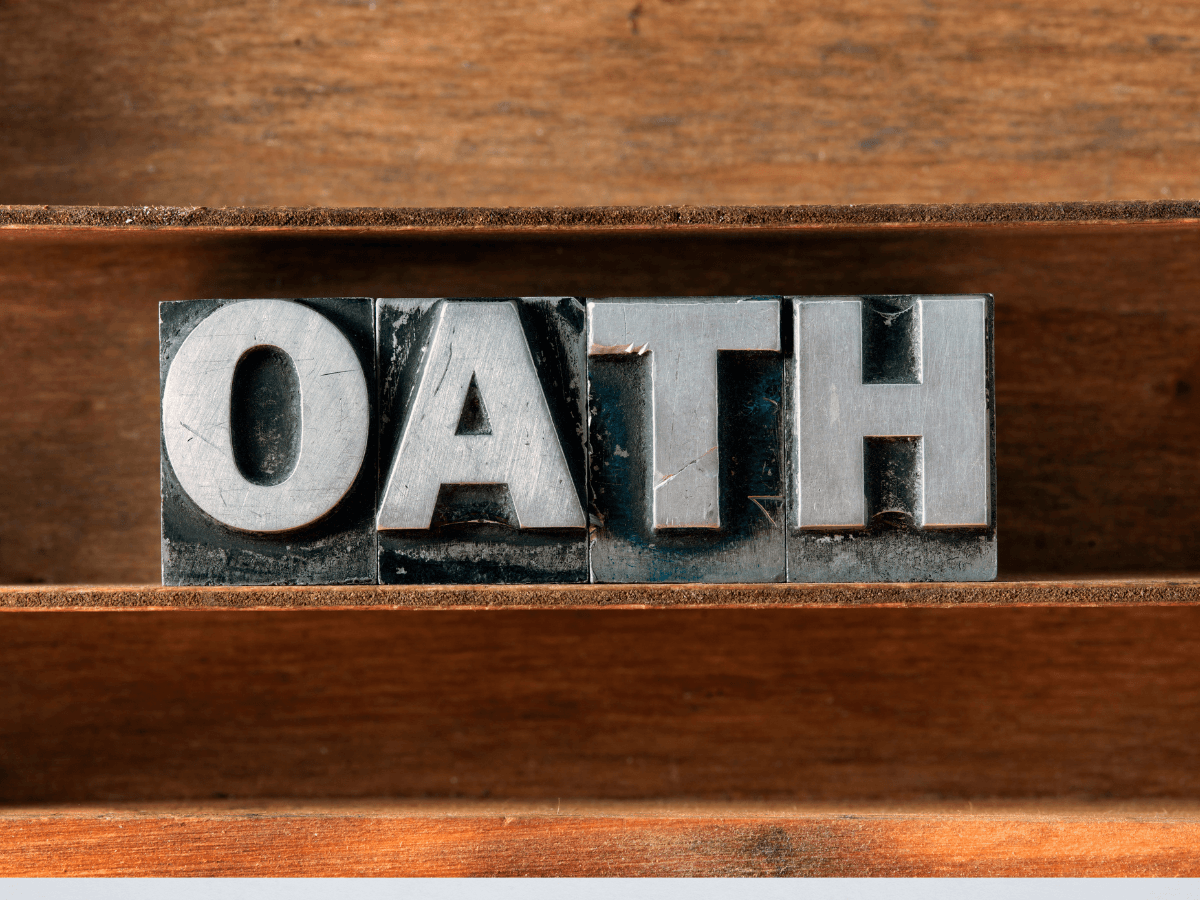
The final step on the long road to becoming a Canadian is not marked by a document or a test, but by the spoken word.
It is the Oath of Citizenship Canada, a declaration that transforms a permanent resident into a citizen, imbued with all the rights and responsibilities that title carries.
This moment, whether experienced in a grand hall filled with fellow new Canadians or through the quiet intimacy of a virtual ceremony, is the culmination of years of hope, paperwork, and perseverance.
It is a profound and deeply personal commitment, a verbal contract between an individual and their new home.
For many, it is the most emotional moment of the entire immigration journey.
The ceremony itself is a formal affair, presided over by a citizenship judge or a designated official, designed to be both dignified and celebratory.
Every applicant aged 14 and over is required to recite the oath, a key legal requirement before they can receive their certificate of citizenship.
The words are recited in both of Canada's official languages, English and French, and participants repeat them in the language of their choice.
The current text of the oath reflects a modern, evolving Canada.
It reads: "I swear (or affirm) that I will be faithful and bear true allegiance to His Majesty King Charles the Third, King of Canada, His Heirs and Successors, and that I will faithfully observe the laws of Canada, including the Constitution, which recognizes and affirms the Aboriginal and treaty rights of First Nations, Inuit and Métis peoples, and fulfil my duties as a Canadian citizen."
This version is the result of significant historical changes and national conversations.
Most recently, the reference to the monarch was updated immediately following the passing of Queen Elizabeth II to acknowledge King Charles III as Canada’s head of state.
This swift transition highlighted the continuity of Canada's constitutional monarchy.
Another crucial amendment was made in 2021, a direct response to the Truth and Reconciliation Commission's Call to Action number 94.
This change formally incorporated a pledge to respect the Aboriginal and treaty rights of First Nations, Inuit, and Métis peoples, embedding the principle of reconciliation into the very fabric of Canadian citizenship.
This wasn't just a change of words; it was a fundamental shift in what it means to pledge allegiance to the nation and its laws.
The path to taking this oath is rigorous, a multi-year process managed by Immigration, Refugees and Citizenship Canada (IRCC).
Prospective citizens must first achieve permanent resident status and then meet strict physical presence requirements, having lived in Canada for at least 1,095 days within a five-year period.
They must also have filed their taxes and, for applicants between 18 and 54, demonstrate proficiency in English or French and pass a demanding citizenship test.
The citizenship test assesses knowledge of Canada's history, geography, government, and the rights and responsibilities of citizens.
Only after successfully navigating these hurdles does an applicant receive an invitation to the citizenship ceremony.
During the ceremony, applicants have the choice to either "swear" or "affirm" the oath.
The option to "swear" is for individuals who wish to make their pledge with a reference to their religious beliefs, and they are welcome to bring a holy book to do so.
The option to "affirm" serves those who prefer a secular declaration.
This distinction respects the diversity of belief and conscience that is a cornerstone of Canadian society.
The pledge itself is layered with meaning.
Pledging allegiance to the King of Canada is not about personal loyalty to an individual, but rather a commitment to the institution of the Crown, which represents the continuity of the state and the principles of ordered government and the rule of law.
It is a promise to Canada as a constitutional monarchy.
The commitment to faithfully observe the laws of Canada is a promise to uphold the democratic values and legal framework that govern the country.
Finally, the pledge to fulfill the duties of a Canadian citizen is an acceptance of the civic responsibilities that come with the new title: voting in elections, serving on a jury, and participating in the community.
The citizenship ceremony, whether in-person or held virtually via video conference, is a powerful bookend to the immigration story.
Participants are asked to present their key documents, such as their Permanent Resident card, which is often ceremonially cut up to symbolize the transition.
After reciting the oath as a group and singing the national anthem, "O Canada," the presiding official declares them citizens.
At that moment, years of uncertainty give way to a new reality.
The piece of paper they receive, the certificate of citizenship, is more than just a document; it's a key to a new life, a passport to belonging.
It confirms their legal status and opens the door to rights like voting and holding a Canadian passport.
The Oath of Citizenship Canada is a living text, one that has adapted to reflect the country's journey.
It acknowledges the foundational role of the monarchy, the supremacy of the law, and, critically, the nation's ongoing commitment to reconciliation with Indigenous peoples.
It is a promise made not just to the present, but to the past and the future of the nation.
For those who speak the words, it is a declaration of identity, a public embrace of the values, freedoms, and responsibilities that define what it means to be Canadian.
FAQ:
What is the full text of the Oath of Citizenship in Canada? The oath is: "I swear (or affirm) that I will be faithful and bear true allegiance to His Majesty King Charles the Third, King of Canada, His Heirs and Successors, and that I will faithfully observe the laws of Canada, including the Constitution, which recognizes and affirms the Aboriginal and treaty rights of First Nations, Inuit and Métis peoples, and fulfil my duties as a Canadian citizen."
Who is required to take the Canadian citizenship oath? All applicants for Canadian citizenship who are 14 years of age or older must take the oath as the final step to becoming a citizen. Children under 14 are not required to take it, but are welcome to attend the ceremony.
Why does the oath mention the King and Indigenous rights? The oath mentions His Majesty King Charles III because Canada is a constitutional monarchy, and the pledge is to the institution of the Crown, which represents the Canadian state. The clause on Aboriginal and treaty rights was added in 2021 to fulfill a Call to Action from the Truth and Reconciliation Commission, acknowledging the foundational place of Indigenous peoples in Canada's history and legal framework. |
0 Comments
Join the conversation
Be the first to comment
Share your thoughts above.