
Work Permit Intake Cut by 43%: Only 230,000 New Workers in 2026 |
The Future Workforce: Why Work Permit Intake Dropped by 43% in 2026 |
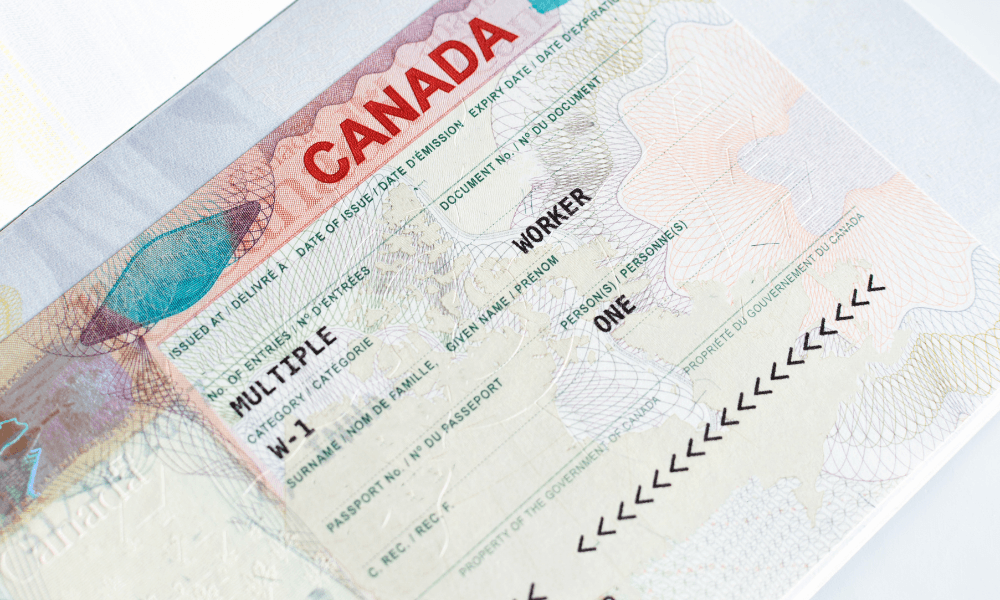
The Numbers Don't Lie.From 367,750 to 230,000. That's a drop of 137,750 work permits. In one year. A 43% reduction that's sent shockwaves through industries, immigration lawyers, and hundreds of thousands of workers wondering if their Canadian dream is about to shatter.
If you thought immigration was slowing down, you were wrong. It's collapsing.
Why the Sudden Slam on the Brakes?
This wasn't a surprise. The government has been signaling this for over a year. But the scale caught everyone off guard. Industry groups expected 300,000. They got 230,000.
Here's what's driving it: Housing pressure. Everywhere you look, Toronto, Vancouver, Calgary, housing costs have spiraled beyond what average Canadians can afford. The narrative that immigration drives demand took root, and the government responded. Whether the economics fully support it is beside the point. Perception is reality in politics.
Infrastructure is strained. Schools are overcrowded. Hospitals are buckling. Transit systems in major cities are buckling under population growth. The message from government: "We built for X million. We're at X plus Y. We need to pause.
Immigration fatigue is real. Online discourse turned hostile in places it wasn't before. The government knows their coalition includes people worried about rapid demographic change. A 43% cut tells them: we heard you.
Who's Hit Hardest?Agriculture & Food Processing: Seasonal farms that depend on Temporary Foreign Worker Program permits now face a brutal choice: leave crops unharvested or overwork existing staff. Neither works.
Healthcare: Nurses, personal support workers, and allied health professionals rely on employer-sponsored work permits. Reducing availability traps existing workers in precarious status, unable to move or stabilize their lives.
Tech & Engineering: Canada keeps saying it wants top talent. But permit cuts hit these categories too. Recruitment timelines for international candidates have doubled. The message: "Come to Canada, but maybe not right now."
Small Businesses: Big corporations have lawyers and HR departments. Small business owners don't. A restaurant in Halifax needing kitchen staff. A factory in Ontario needing machine operators. They're getting crushed.
The Human Cost
A work permit is not just a document. It's a timeline. A countdown. A life in temporary suspension.
Consider Maria, a care worker from the Philippines who's spent three years in Canada. She has a child in school here. She has a community. A life, fragile, conditional, but real. Her employer wants to renew her permit. But the reduced allocation means longer processing times, more competition, and the very real possibility of a gap in her status that could affect everything.
Stories like Maria's aren't exceptional. They're the norm.
The psychological toll of living in immigration limbo is well documented. And now, with permits shrinking, that limbo gets longer and darker for hundreds of thousands of people. The Transition Push: Is It Real?
Here's the government's "solution": focus on converting people already here into permanent residents instead of bringing in new ones.
Sounds compassionate. Sounds responsible. But here's the catch: transitioning existing temporary residents requires federal systems to process applications faster, and those systems are already backlogged, understaffed, and struggling.
Express Entry draws are highly competitive. CRS scores have climbed steadily. Unless processing capacity increases dramatically, the "transition focus" is largely aspirational.
The result? A growing pool of temporary residents with fading hopes and nowhere to go. What Now?
If you're a temporary resident in Canada right now, here's the truth: Your window is narrowing. But it's not closing.Get your documentation in order now. Build your CRS score aggressively. Consult an immigration lawyer, not later, now.
If you're just watching from the sidelines: understand that immigration policy shapes who serves your food, who cares for your parents, who builds your homes. These cuts have consequences. Real ones.
Stay informed. Stay prepared. And don't assume the rules won't change again, because they already have. |
0 Comments
Join the conversation
Be the first to comment
Share your thoughts above.